Visual and Audio Innovations Reshaping Engagement in New Slot Game Launches Across Regulated Markets
Written by Viktor Walter · Aug 31, 2026
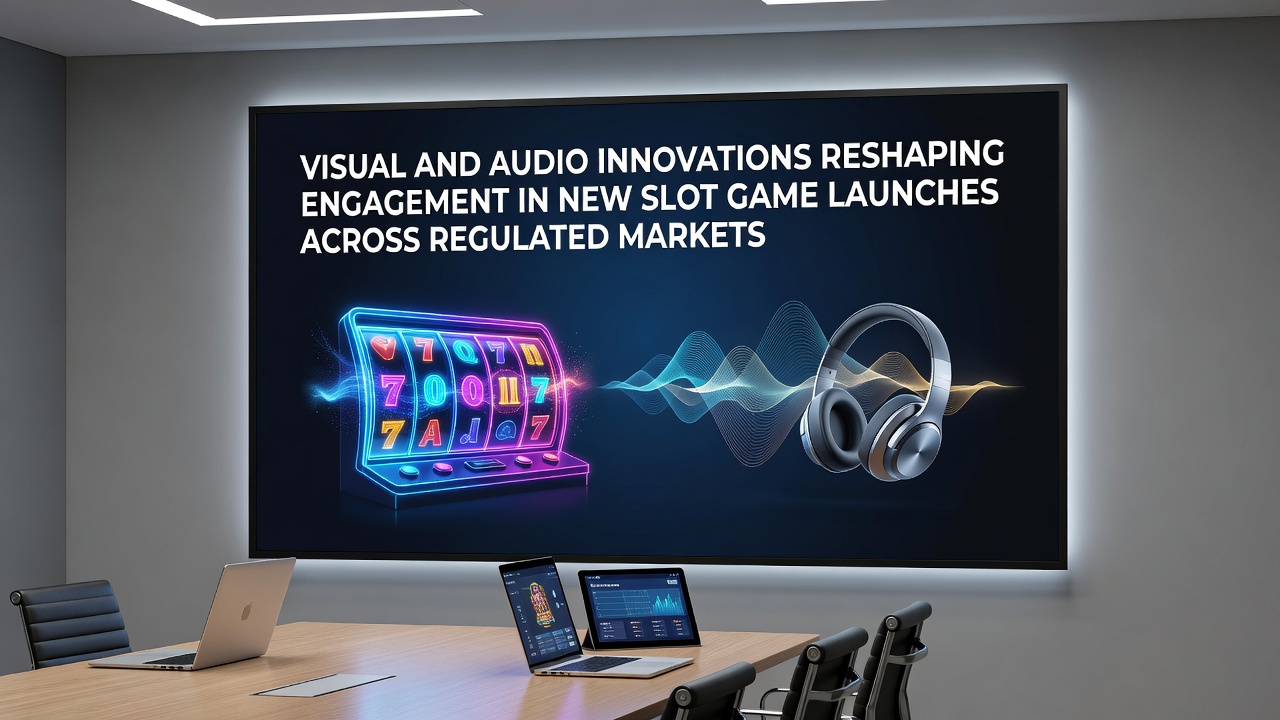
Visual and Audio Innovations Reshaping Engagement in New Slot Game Launches Across Regulated Markets
Developers continue to integrate high-definition 3D environments and layered particle systems into new slot titles, creating reel mechanics that respond in real time to player actions while maintaining compliance standards set by gaming authorities in multiple jurisdictions. These visual upgrades allow symbols to shift forms, environments to transition between scenes, and bonus rounds to unfold with cinematic camera movements that hold attention without altering core probability models.
Visual Layering Techniques in Current Releases
Recent launches have featured adaptive lighting models that adjust brightness and shadow depth based on game state, a shift that emerged prominently during summer testing cycles and carried into August 2026 deployments across European and North American platforms. Operators report that these changes coincide with extended session durations in controlled environments, where visual feedback loops guide players through feature triggers without requiring additional instructional overlays.
Particle effects now track individual symbol movements across expanding reel grids, producing trails and impact animations that reinforce win evaluations. Data collected by regional regulators shows these elements appear most frequently in titles certified under the latest technical standards from bodies such as the Nevada Gaming Control Board, where animation complexity must remain within defined memory and latency thresholds.
Audio Design Evolution and Player Retention Patterns
Sound engineering teams have moved beyond static loops to implement spatial audio frameworks that position effects in three-dimensional space relative to the screen, allowing directional cues to signal approaching features or escalating multipliers. This approach gained traction in mid-2026 releases, with several operators noting measurable differences in repeat engagement metrics when comparing titles that use positional audio against earlier stereo-only versions.

Adaptive music systems alter tempo and instrumentation according to bet size and feature frequency, creating dynamic soundtracks that build during free-spin sequences and subside during base-game spins. Research conducted through industry partnerships with academic institutions indicates that these synchronized audio-visual pairings correlate with higher completion rates for bonus rounds in tested markets, although exact causation remains under ongoing review by compliance laboratories.
Regulatory Frameworks Supporting Technological Integration
Regulated markets require all new audio and visual components to undergo independent testing for fairness and transparency before deployment. Authorities in Australia and several Canadian provinces have published updated certification guidelines that specifically address real-time rendering engines and audio sample rates, ensuring innovations do not interfere with random number generation processes. Figures released by these agencies demonstrate steady growth in certified titles incorporating such features throughout 2026.
Cross-border operators must align implementations with varying technical requirements, which has encouraged modular design approaches where visual and audio assets can be toggled or scaled according to jurisdiction. This flexibility has allowed developers to maintain consistent creative direction while satisfying distinct regional mandates.
Engagement Metrics Across Platforms
Analytics platforms tracking regulated online environments record increased interaction with interactive visual elements such as clickable background objects that reveal additional paytable information or trigger minor animations. Audio cues tied to these interactions further reinforce player awareness of available options, contributing to smoother navigation through complex feature sets.
Industry reports compiled by the American Gaming Association highlight how synchronized visual and audio enhancements appear in a growing share of new content submissions, reflecting broader investment in presentation layers that complement traditional reel mathematics. Similar patterns surface in data shared by the European Gaming and Betting Association, which notes parallel adoption trends in markets with mature certification processes.
Future Trajectories for Immersive Slot Development
Continued refinement of haptic feedback integration alongside visual and audio layers points toward multi-sensory experiences that remain fully contained within existing hardware capabilities. Developers have begun testing prototypes that combine subtle controller vibrations with on-screen events, all while preserving strict separation between presentation elements and outcome determination systems.
August 2026 saw several major platforms introduce titles that bundle these combined innovations under single certification submissions, streamlining approval timelines for operators seeking simultaneous launches across multiple regulated regions. Observers note that the modular nature of current toolkits allows rapid iteration based on post-launch performance data without necessitating full recertification cycles.
Conclusion
Visual and audio advancements in slot game development continue to expand the range of sensory cues available to players in regulated environments, supported by evolving technical standards and cross-jurisdictional testing protocols. As new releases incorporate increasingly sophisticated rendering and spatial sound techniques, engagement patterns reflect measurable shifts that align with broader industry data on session behavior and feature interaction. These developments remain grounded in compliance frameworks that prioritize transparency and fairness across all participating markets.