Tracing Interconnected Prize Pools Through Operator Seed Investments in UK-Regulated Slot Offerings
Written by Cameron Hughes · Oct 12, 2026
Tracing Interconnected Prize Pools Through Operator Seed Investments in UK-Regulated Slot Offerings
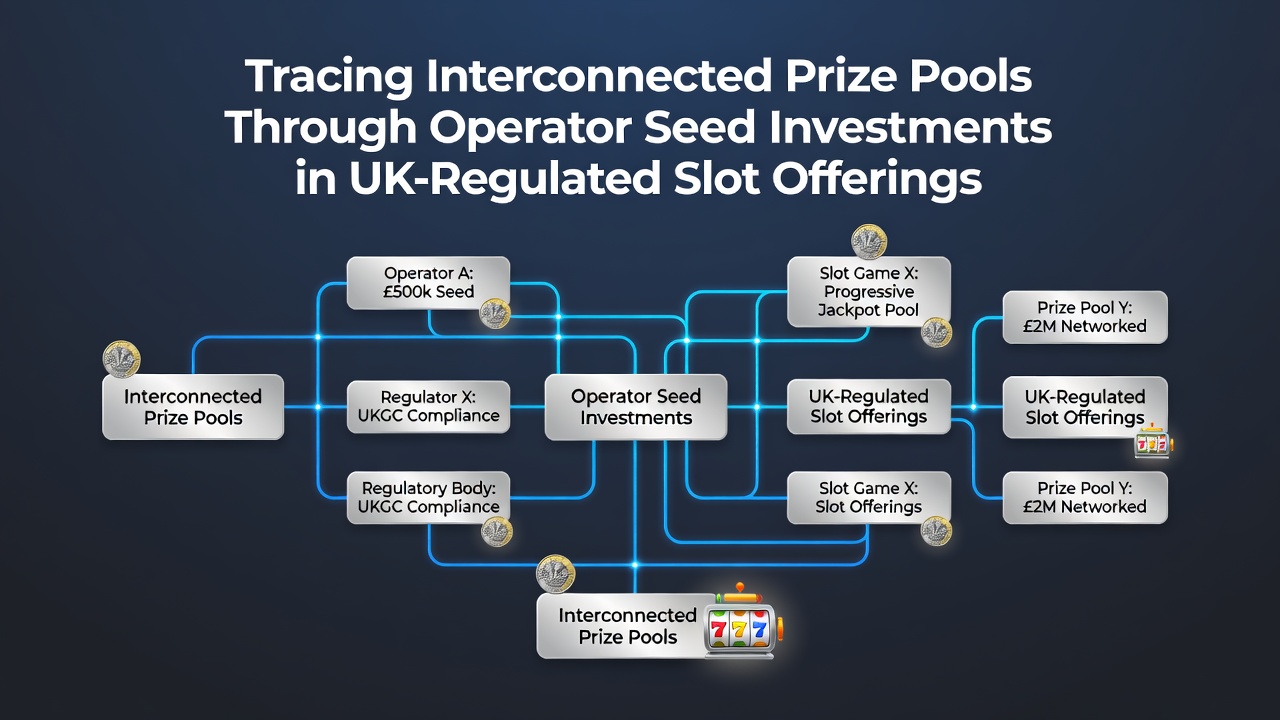
Operators in UK-regulated slot markets allocate initial capital known as seed investments to establish and grow interconnected prize pools that span multiple titles and platforms, creating shared jackpot structures where contributions from player wagers and base funding combine to build collective payouts. These arrangements link individual game outcomes to broader networks so that a single spin can trigger rewards drawn from aggregated pools that draw resources from several operators and titles simultaneously.
Mechanics of Seed Investments in Networked Systems
Seed investments function as foundational deposits that operators place into progressive systems before player activity begins, and these amounts merge with ongoing bet contributions to accelerate pool growth across linked machines. Research indicates that such seeding often occurs at predetermined thresholds where each participating site commits a fixed sum to ensure the jackpot starts at a competitive level rather than from zero, while data from the European Gaming and Betting Association shows that networked accumulators in European markets rely on similar initial allocations to maintain player engagement over extended periods. Operators track these seeds through centralized ledgers that record every contribution, allowing the system to distribute payouts proportionally when a qualifying win occurs on any connected slot.
Interconnections arise when multiple games share the same pool architecture so that wagers placed on one title feed into the common reserve while seeds from various operators top up the balance during quiet periods. This structure means that a progressive jackpot in a UK-licensed offering can accumulate value from bets placed on machines operated by different companies, creating larger potential prizes that reset only after a full payout clears the accumulated total.
Tracing Fund Flows Across Operator Networks
Fund tracing begins with transaction logs that detail how each seed injection enters the pool and how subsequent wagers add incremental percentages, typically ranging from 1 to 5 percent of the stake depending on game configuration. Observers note that software providers implement audit trails capable of following these movements in real time, which helps regulatory bodies verify that seeds and contributions remain segregated from operational accounts. As of October 2026, several major platforms have adopted blockchain-style verification layers that timestamp every transfer, making it possible to reconstruct the exact path of funds from initial operator deposit through to final player payout across interconnected titles.
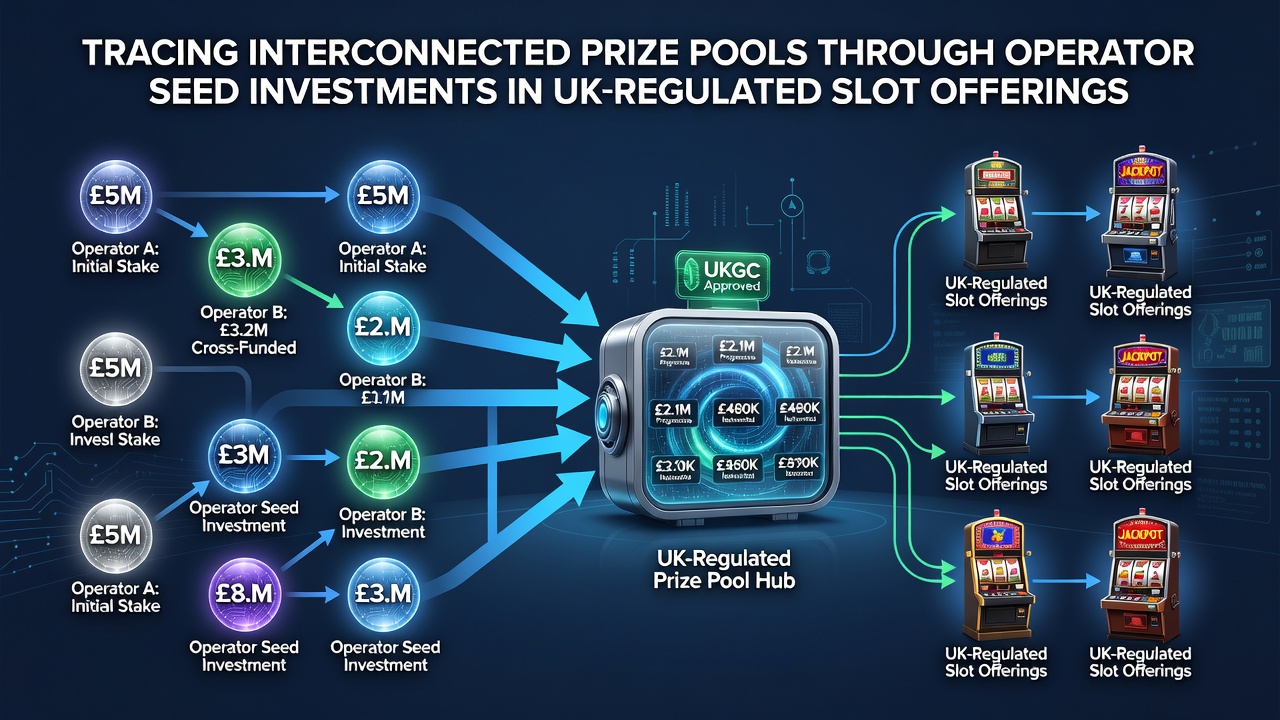
One documented case involved three separate operators pooling resources for a multi-title progressive network where each contributed an initial seed of £250,000, after which player activity on any of the linked slots increased the shared reserve at a uniform rate. The resulting pool reached several million pounds within weeks because the combined seeds and contributions created momentum that individual games could not achieve alone, and payout records confirm that the jackpot triggered on a mid-tier title while still distributing the full accumulated value to the winner.
Regulatory Frameworks Governing Shared Pools
UK regulations require operators to maintain clear separation between seed capital and player funds, with independent auditors reviewing the flow of money into and out of interconnected systems on a regular schedule. Figures released by Australian regulatory bodies highlight comparable oversight mechanisms that ensure seed investments do not create unfair advantages for larger operators, and similar principles apply in UK markets where licensing conditions mandate transparent reporting of all pool activities. These rules also stipulate that any reset of a progressive jackpot after a payout must include a new seed commitment from participating operators to keep the structure viable for future play.
Industry reports from the Canadian Gaming Association further illustrate how cross-operator agreements specify contribution rates and seed responsibilities in advance, reducing disputes when pools reach payout thresholds. In practice this means each operator knows its exact financial obligation before joining a networked offering, and the agreements include clauses that address what happens if one participant withdraws from the shared arrangement.
Impact on Prize Growth and Player Outcomes
Shared pools funded by operator seeds tend to grow faster than isolated jackpots because the combined input from multiple sources accelerates accumulation, and studies from academic gaming research centers show that players encounter larger advertised prizes in networked environments. This dynamic influences game selection because titles connected to well-seeded pools often display higher starting values that attract more wagers, which in turn feeds additional growth into the same system. Data shows that during October 2026, several UK-regulated networks reported record pool sizes directly attributable to coordinated seed strategies that maintained minimum balances across quiet trading periods.
Reset mechanisms ensure continuity after major wins, with operators replenishing seeds according to predefined formulas that account for previous payout size and expected player volume. Such protocols prevent extended periods where the jackpot sits at low values that might reduce engagement, and they distribute the cost of reseeding across all participants in proportion to their stake in the network.
Conclusion
Tracing interconnected prize pools through operator seed investments reveals a structured system where initial capital commitments, ongoing wager contributions, and regulatory oversight combine to sustain large-scale progressive offerings in UK-regulated slots. The mechanisms rely on transparent tracking, contractual agreements between operators, and consistent reseeding practices that keep pools active and attractive to players across multiple platforms and titles.