Tracing How Base Seeding and Incremental Contributions Propel Multiplayer Reward Systems in Slot Software
Written by Viktor Walter · Aug 18, 2026
Tracing How Base Seeding and Incremental Contributions Propel Multiplayer Reward Systems in Slot Software
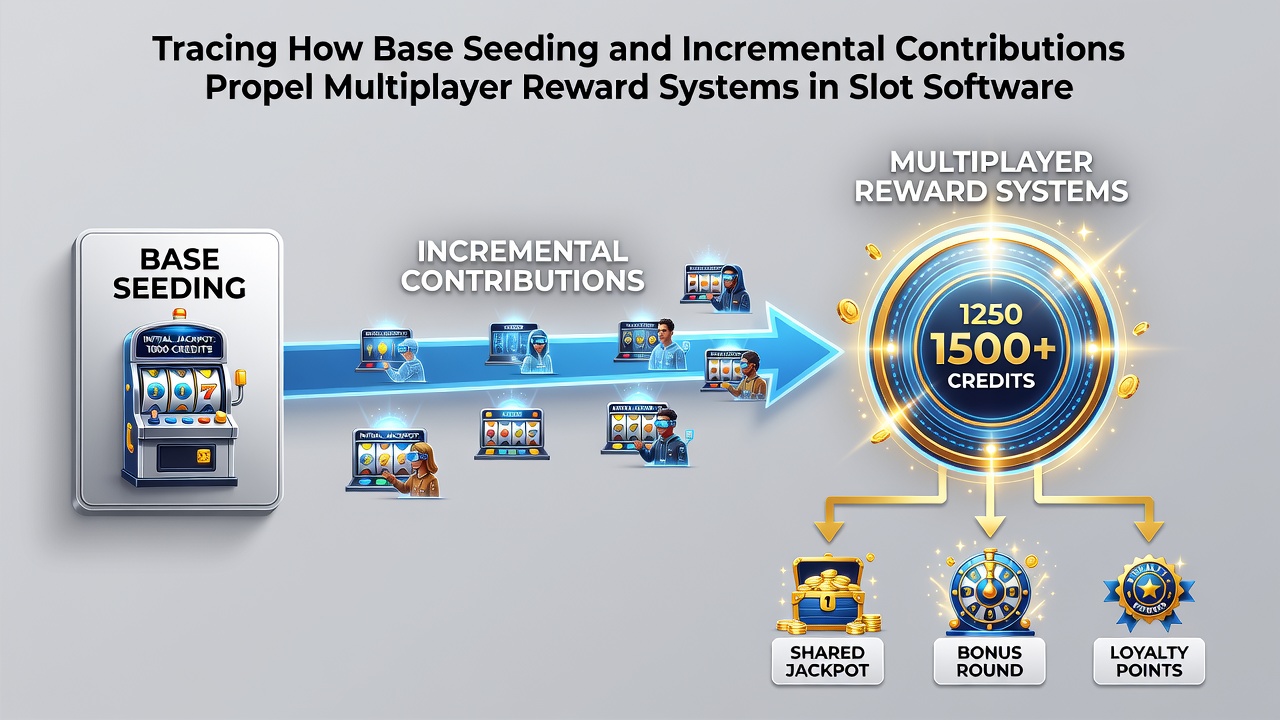
Multiplayer reward systems in slot software rely on structured mechanisms that combine initial operator inputs with ongoing player activity, and base seeding serves as the foundation that establishes the starting value for shared prize pools. Operators allocate these seeds to launch progressive features across networked games, which ensures that jackpots begin at levels attractive enough to draw participation from the outset. Data from regulatory bodies such as the Alcohol and Gaming Commission of Ontario shows that seeded amounts typically range from several thousand to tens of thousands of currency units depending on the game's scale and expected player volume. Incremental contributions then build upon these seeds through a fixed percentage of each wager directed into the pool. Slot software tracks every bet in real time, applies the contribution rate automatically, and updates the displayed jackpot figure across all connected terminals or online instances. This process creates continuous growth that accelerates when player numbers rise, since more bets translate directly into larger additions per cycle.Mechanics of Base Seeding in Networked Environments
Base seeding occurs when software developers and operators predefine an initial pot value before any gameplay begins. The seed amount gets funded from operational reserves rather than player funds, which protects the integrity of the prize structure from the first spin onward. In August 2026, industry reports highlighted how several major platforms adjusted seed levels upward in response to increased cross-border player traffic, allowing pools to reach visible thresholds faster than in prior periods.
Engineers embed these seeds into the game's configuration files so that reset events after a jackpot payout automatically restore the starting balance without manual intervention. This automation maintains consistency across multiple sites or jurisdictions where the same title operates, and it prevents gaps that might otherwise discourage continued play.
Role of Incremental Contributions in Pool Growth
Each wager processed through the slot software deducts a predetermined fraction, often between 0.5 and 2 percent, and routes it to the progressive meter. The system calculates contributions at the point of bet placement, which allows simultaneous updates across all linked machines or sessions. Researchers at academic institutions including the University of Nevada, Reno have documented how these micro-additions compound rapidly under high-volume conditions, turning modest seeds into substantial prizes within hours or days.
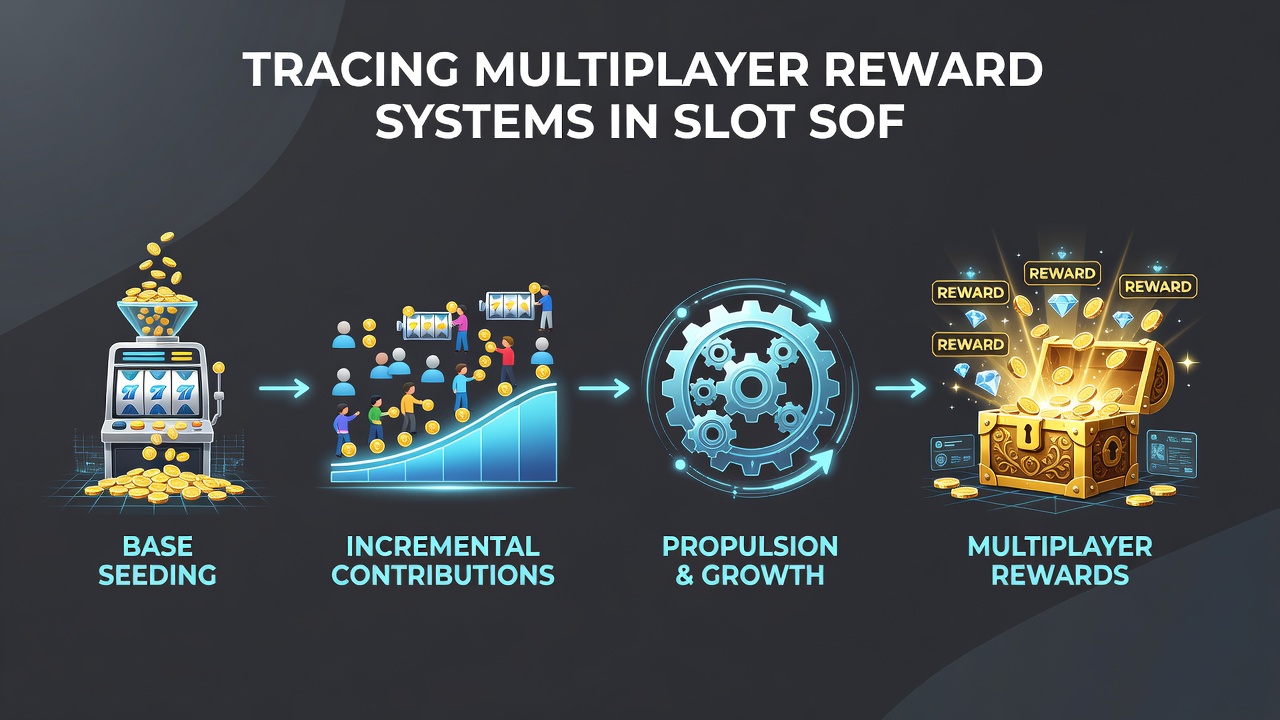
Software algorithms monitor contribution rates to ensure they align with regulatory caps on prize growth, while also accounting for any reserve contributions that operators set aside for future seeds. When multiple games link into a single pool, the combined bet flow produces steeper upward curves than isolated titles can achieve, and observers note that this interconnection amplifies both visibility and payout frequency over time.
Integration Within Slot Software Architecture
Modern slot platforms incorporate dedicated modules that handle seeding and contribution logic separately from core reel mechanics. These modules interface with central servers that synchronize data across geographic regions, maintaining a single authoritative meter value visible to all participants. The architecture supports failover protocols so that network interruptions do not erase accumulated contributions, preserving pool integrity even during brief outages.
Developers test these systems under simulated load conditions that replicate peak traffic patterns, verifying that contribution calculations remain accurate to fractions of a cent. Such precision matters because even small discrepancies can accumulate across thousands of daily transactions, and regulatory audits frequently examine these logs to confirm compliance with stated payout percentages.
Observed Effects on Player Engagement Patterns
Figures released by the Australian Communications and Media Authority indicate that titles featuring visible progressive meters tied to seeded and incrementally funded pools sustain longer average session durations compared with non-progressive counterparts. The visible growth of the jackpot serves as a real-time indicator of collective activity, which encourages continued participation while the pool remains active.
Case examples from European operators illustrate how resetting a pool after a major payout prompts renewed seeding cycles, restarting the process and drawing fresh interest from players who monitor jackpot histories. The cycle repeats without requiring changes to the underlying contribution rates, which demonstrates the self-sustaining nature of the combined seeding and increment model.
Conclusion
Base seeding establishes the initial momentum for multiplayer reward systems in slot software, while incremental contributions sustain and accelerate growth through consistent bet allocations. Together these elements create dynamic prize structures that scale with participation levels and maintain operational continuity across resets and network variations. Regulatory data and technical documentation confirm that the processes operate reliably under diverse conditions, supporting the ongoing function of shared reward mechanisms in both land-based and online environments.