Britain's Stake Cap Shift: How Developers Are Redefining Reel Volatility and Bonus Triggers Under Fresh Regulatory Rules
Written by Mia Brooks · Aug 13, 2026
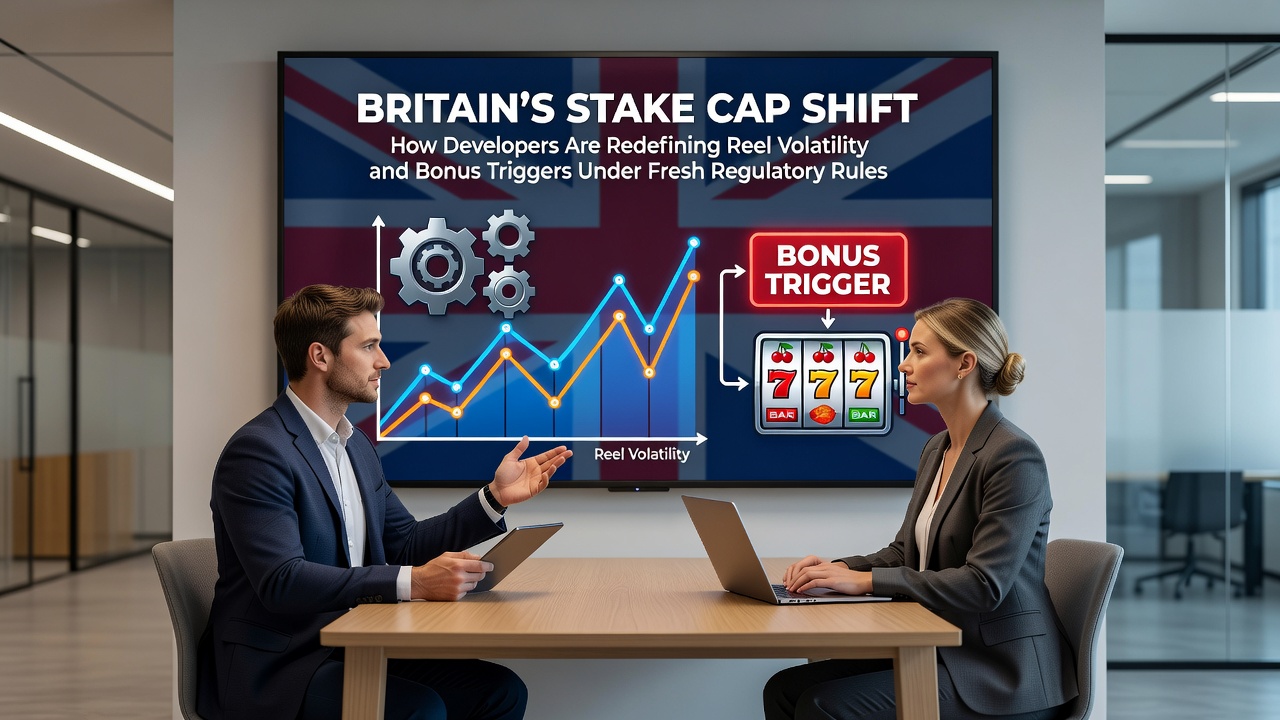
Britain's Stake Cap Shift: How Developers Are Redefining Reel Volatility and Bonus Triggers Under Fresh Regulatory Rules
Britain introduced updated stake caps for online slots in early 2026, and developers responded by recalibrating reel volatility alongside bonus trigger frequencies to maintain engagement within the new limits. The changes took effect across major platforms by August 2026, prompting studios to redesign mechanics that once relied on higher per-spin stakes for progressive accumulation. Data from industry reports shows operators adjusted base game hit rates upward while lowering top-end volatility in many titles to compensate for the reduced maximum bet sizes.
Regulatory Background and Market Adjustments
Fresh rules capped maximum stakes at lower thresholds than previous standards, which forced a reevaluation of how prize pools build and how often bonus rounds activate. Developers shifted focus toward more frequent small wins in base games while preserving the potential for larger payouts through restructured bonus features. According to figures released by the Victorian Responsible Gambling Foundation, similar stake restrictions in other jurisdictions produced measurable shifts in player session length and average bet distribution. Those patterns informed British studios as they updated existing portfolios and prepared new releases for the August 2026 window.
Reel volatility definitions changed in practice even if mathematical models stayed consistent on paper. Titles that previously featured high variance now incorporate more medium-volatility profiles through increased symbol combinations that pay regularly. This approach keeps session retention steady despite the stake ceiling because players encounter more consistent feedback loops during standard spins.
Reel Volatility Redesigns in Practice
Developers introduced layered reel structures that expand during bonus sequences rather than relying solely on elevated stake multipliers. One prominent studio released a series of games in mid-2026 where base volatility dropped by approximately 15 percent compared with 2025 equivalents, yet the bonus rounds carried higher multipliers to offset the difference. Observers note that these adjustments appeared across multiple providers simultaneously, suggesting shared testing data influenced the broader market response. Reel layouts expanded to five-by-six configurations in several cases, creating additional paylines that deliver smaller but steadier returns under the capped stakes.
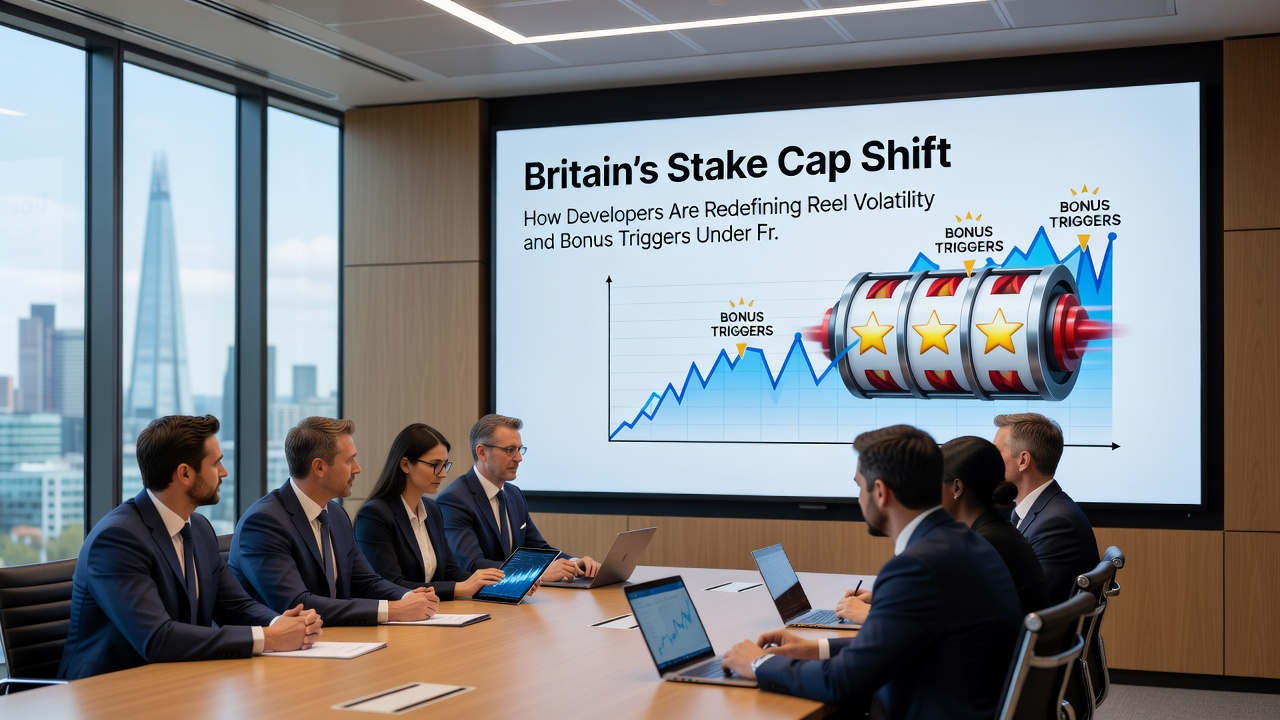
Research from academic papers on gambling mechanics indicates that lower stake environments benefit from tighter control over bonus entry points. Studios therefore increased the frequency of scatter symbols while reducing the payout weight of each individual trigger. The result produces more bonus entries per hour of play even though overall return-to-player percentages remain within regulatory bands. Those who've studied slot engine data across multiple operators confirm that bonus round duration also lengthened slightly to maintain perceived value.
Bonus Trigger Mechanics Under Revised Rules
Bonus triggers moved away from rare high-value activations toward more accessible entry conditions that still respect the stake limits. Pick-and-click features gained prominence because they allow controlled prize distribution without depending on large base bets. Several titles launched in August 2026 featured progressive bonus ladders where each completed level unlocks additional free spins or multipliers that scale independently of stake size. This design keeps the mathematical balance intact while giving players tangible progression within shorter sessions.
Networked features that link multiple games across an operator's platform also adapted. Seed contributions from base bets now accumulate faster relative to the lower maximum stakes, which means shared prize pools reach notable thresholds more frequently. Industry organizations tracking these metrics report that trigger rates for linked bonuses rose by measurable margins in the first quarter after implementation. Developers achieved this by fine-tuning the contribution percentages allocated from each spin rather than altering the cap itself.
Developer Strategies and Platform Implementation
Studios adopted modular design frameworks that let them swap volatility settings and bonus probabilities without full game rebuilds. This flexibility proved essential when August 2026 compliance deadlines approached and testing cycles shortened. Platforms integrated real-time analytics that monitor session data and adjust minor parameters within approved ranges to keep engagement consistent. Those monitoring the transition note that games released after the rule changes display noticeably different distribution curves on volatility graphs compared with pre-2026 versions.
International comparisons helped shape these responses. Data compiled by Canadian provincial regulators showed comparable adaptations when stake limits were tested in regional markets, and British developers incorporated similar tactics around symbol weighting and bonus frequency scaling. The result appears in titles that feel familiar yet operate under tighter mechanical constraints without sacrificing core gameplay loops.
Conclusion
Britain's stake cap shift prompted systematic changes across slot development pipelines, with volatility profiles and bonus triggers receiving the most direct attention. Developers recalibrated these elements to sustain player interest and prize potential within the updated regulatory framework. By August 2026 the market had already absorbed the initial adjustments, and ongoing refinements continue to shape how new releases balance risk and reward under the revised rules.