Britain's licensed reel platforms: how loyalty tiers reshape session pacing through adaptive reward scaling
Written by Cameron Hughes · Aug 25, 2026
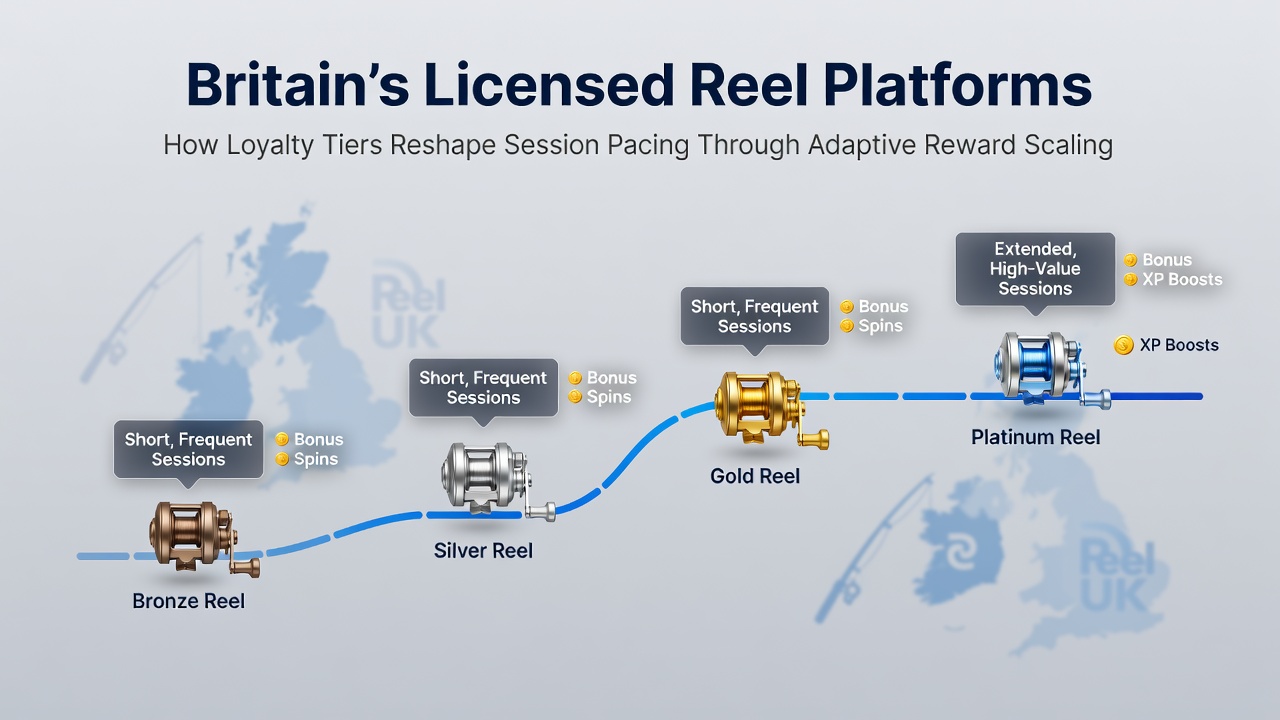
Britain's Licensed Reel Platforms: How Loyalty Tiers Reshape Session Pacing Through Adaptive Reward Scaling
Britain's licensed reel platforms operate under frameworks where loyalty tiers function as structured systems that adjust reward distribution based on player activity metrics. These tiers, ranging from entry-level to elite categories, scale incentives such as bonus multipliers and cashback percentages according to cumulative wager volumes and session frequencies. Data from regulatory filings show that platforms track these metrics in real time, allowing reward rates to increase progressively as players advance through tiers. Operators implement adaptive reward scaling by monitoring bet sizes and session durations, then recalibrating payout potentials within predefined parameters. For instance, a player reaching a mid-tier status might see reward multipliers rise from 1.2x to 1.8x on qualifying spins, while higher tiers unlock accelerated progression toward bonus rounds. Industry reports indicate this mechanism distributes rewards unevenly across sessions, often front-loading smaller incentives early and reserving larger allocations for sustained play.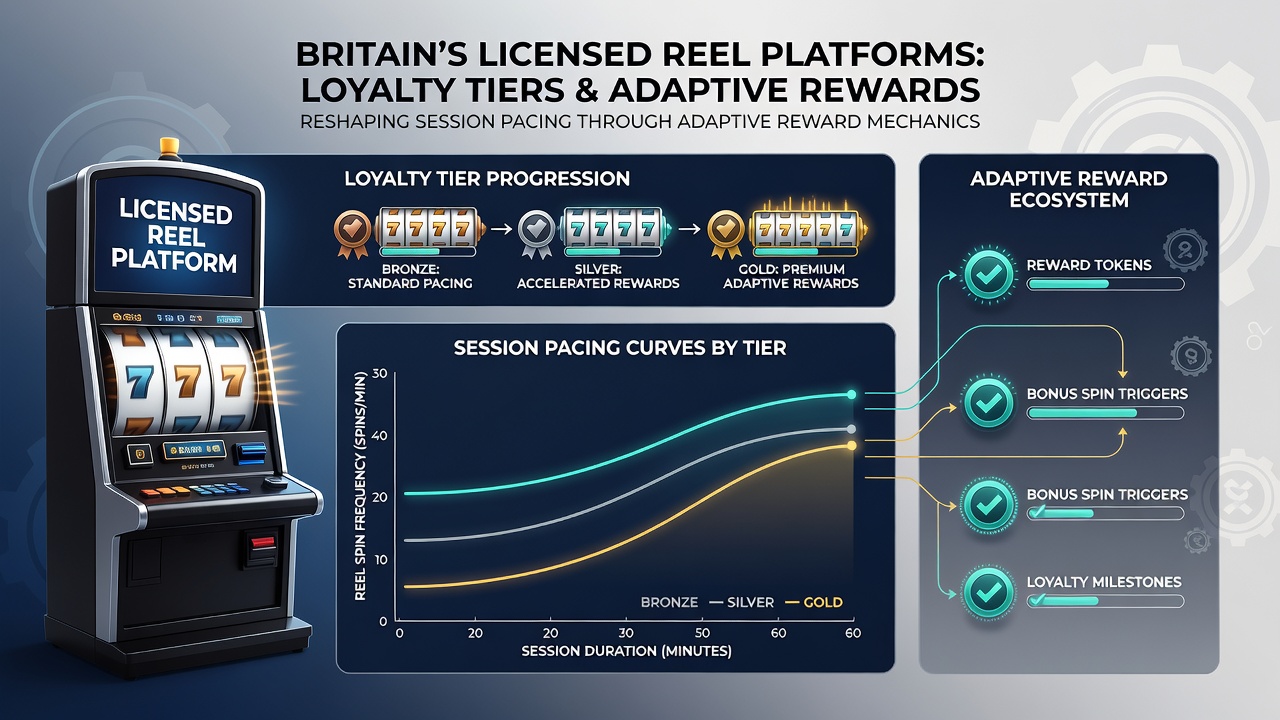
Britain's licensed reel platforms operate under frameworks where loyalty tiers function as structured systems that adjust reward distribution based on player activity metrics. These tiers, ranging from entry-level to elite categories, scale incentives such as bonus multipliers and cashback percentages according to cumulative wager volumes and session frequencies. Data from regulatory filings show that platforms track these metrics in real time, allowing reward rates to increase progressively as players advance through tiers. Operators implement adaptive reward scaling by monitoring bet sizes and session durations, then recalibrating payout potentials within predefined parameters. For instance, a player reaching a mid-tier status might see reward multipliers rise from 1.2x to 1.8x on qualifying spins, while higher tiers unlock accelerated progression toward bonus rounds. Industry reports indicate this mechanism distributes rewards unevenly across sessions, often front-loading smaller incentives early and reserving larger allocations for sustained play.Mechanics of Tier Progression and Reward Adjustment
Tier advancement occurs through points accumulated via wagers, with thresholds reset periodically to encourage ongoing participation. Platforms apply algorithms that factor in recent activity alongside historical data, creating dynamic scaling that responds to individual patterns. Research from the Australian Gambling Research Centre highlights similar tiered models in comparable markets, where reward adjustments correlate with extended engagement periods without altering core game mathematics. Session pacing shifts as rewards adapt, because players encounter variable incentive densities that influence decision points during play. Early sessions typically feature standard reward rates that build toward tier thresholds, after which scaling activates and alters the frequency of bonus triggers or feature unlocks. Figures from platform analytics, referenced in trade publications, reveal that tiered users exhibit average session lengths extended by 15 to 25 percent once scaling thresholds are crossed.Effects on Player Engagement Patterns
Adaptive scaling influences how sessions unfold by modulating the perceived value of continued play at different stages. Lower tiers maintain steady but modest reward flows that establish baseline pacing, whereas elevated tiers introduce compressed reward cycles that accelerate feature access. Observers note that this structure creates natural breakpoints where players reassess their activity levels based on visible tier benefits. Platforms integrate these systems with game engines that adjust visual and auditory cues alongside reward scaling, though the underlying random number generation remains constant. In August 2026, updated compliance guidelines from the Ontario Lottery and Gaming Corporation prompted several British operators to publish clearer disclosures on tier criteria, leading to greater transparency in how scaling operates across sessions. This development aligned with broader industry efforts to standardize reporting on loyalty mechanics.