Analyzing Interconnected Reward Algorithms Across Licensed Digital Reel Platforms
Written by Cameron Hughes · Sep 28, 2026

Analyzing Interconnected Reward Algorithms Across Licensed Digital Reel Platforms
Interconnected reward algorithms form the backbone of many licensed digital reel platforms where operators link player incentives across multiple games and jurisdictions. These systems track contributions from individual spins and aggregate them into shared prize pools while distributing bonuses according to predefined mathematical models. Researchers at academic institutions have examined how base seeds combine with player activity to generate progressive growth rates that vary by region and regulatory framework.
Core Components of Linked Reward Structures
Digital reel platforms employ several algorithmic layers that connect base game outcomes with layered incentives. One layer handles random number generation for symbol placement while another monitors bet contributions that feed into collective accumulators. A third component calculates eligibility for respin rounds or grid-filling bonuses based on accumulated values across sessions. Observers note that these layers operate simultaneously so that a single spin can trigger updates in multiple reward categories at once.
Seed funds provided by operators merge with ongoing contributions to establish starting balances in shared pots. This merging process follows formulas that account for historical payout percentages and projected player volume in each market. Studies from European research centers have documented how operators adjust seed amounts quarterly to maintain engagement levels without exceeding regulatory caps on prize exposure.
Cross-Platform Data Integration Methods
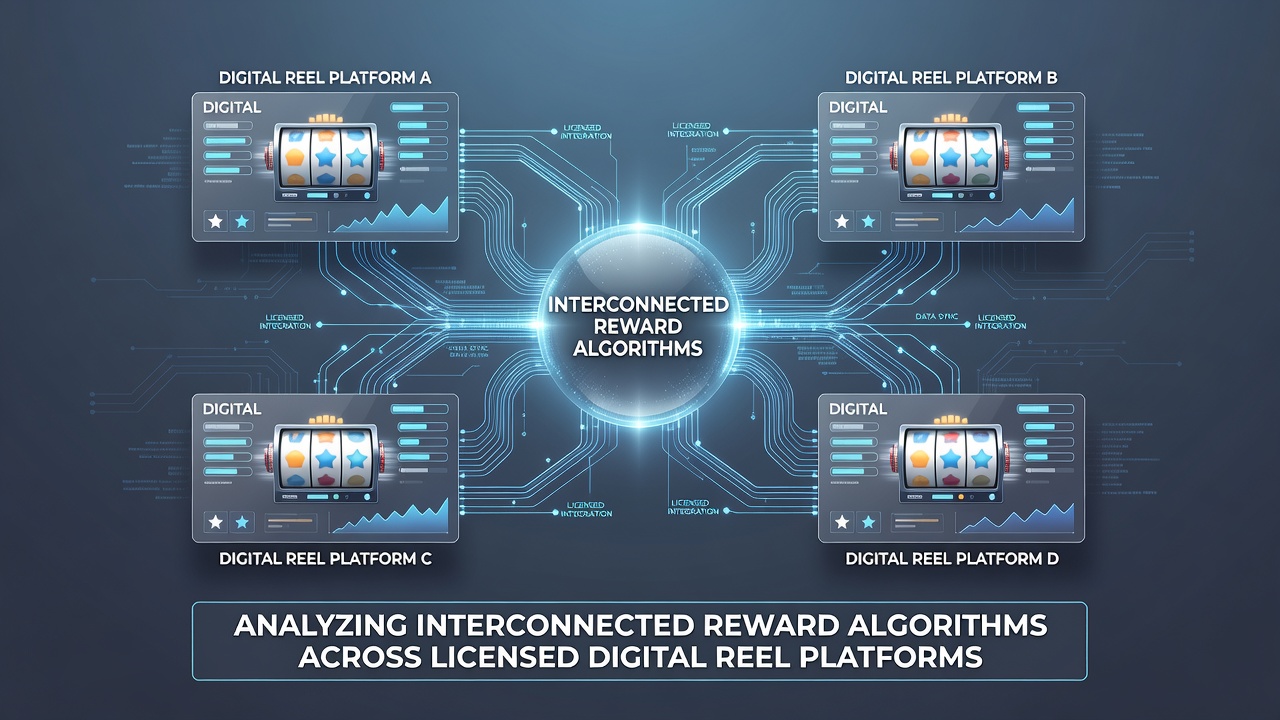
Licensed platforms integrate player data across separate titles through centralized servers that record every wager and outcome in real time. Algorithms parse this data stream to identify patterns such as consecutive losses or high-volatility sequences that qualify users for targeted rewards. The New Jersey Division of Gaming Enforcement publishes periodic reports detailing how these integrations comply with technical standards for fairness and transparency.
Networked accumulator algorithms allocate portions of each bet to different prize tiers while reserving percentages for operational costs and regulatory fees. These allocations shift dynamically based on current pool sizes and time-based decay functions that prevent stagnation. Data from Australian regulatory bodies shows that such dynamic adjustments have stabilized average payout intervals across interconnected systems during peak hours.
Regulatory Influences on Algorithm Design
Regulators in multiple jurisdictions require operators to submit algorithm specifications for approval before deployment. These submissions include detailed descriptions of how interconnected components interact and what safeguards prevent manipulation of reward distribution. In September 2026 the Pennsylvania Gaming Control Board released updated guidelines that emphasize audit trails for every change made to linked prize calculations.
Industry organizations such as the American Gaming Association have compiled comparative analyses of reward algorithms used in North American and Asian markets. Their findings indicate that platforms serving multiple regions often maintain separate accumulator pools to satisfy varying tax and licensing requirements while still sharing core computational engines.
Technical Challenges in Maintaining Interconnections
Latency issues arise when high volumes of simultaneous bets strain the servers responsible for updating shared reward states. Engineers address these challenges through distributed computing architectures that process contributions in parallel before synchronizing final values. Case studies from Canadian provincial regulators demonstrate that redundant verification steps reduce discrepancies in reported prize amounts to negligible levels.
Security protocols encrypt all data exchanges between connected platforms to protect against unauthorized access that could alter reward eligibility. Regular penetration testing conducted by independent firms verifies that these protocols remain effective against evolving threats. Those who manage such systems report that maintaining encryption standards requires ongoing investment in both hardware and personnel training.
Future Directions for Algorithm Refinement
Developments in machine learning allow operators to refine reward distribution models based on anonymized player behavior datasets. These refinements aim to balance prize frequency with overall return-to-player percentages across interconnected networks. Reports from academic collaborations with gaming technology providers suggest that predictive adjustments could shorten the time between major payouts without increasing operator liability.
Conclusion
Interconnected reward algorithms continue to evolve as licensed digital reel platforms expand their reach across borders. Data integration methods, regulatory oversight, and technical safeguards together determine how these systems allocate prizes and maintain player engagement. Continued examination of these components provides clearer insight into the operational frameworks that support collective prize growth in regulated environments.