Algorithmic Timing Patterns in Virtual Reel Machines During Off-Peak Hours
Written by Viktor Walter · Aug 25, 2026
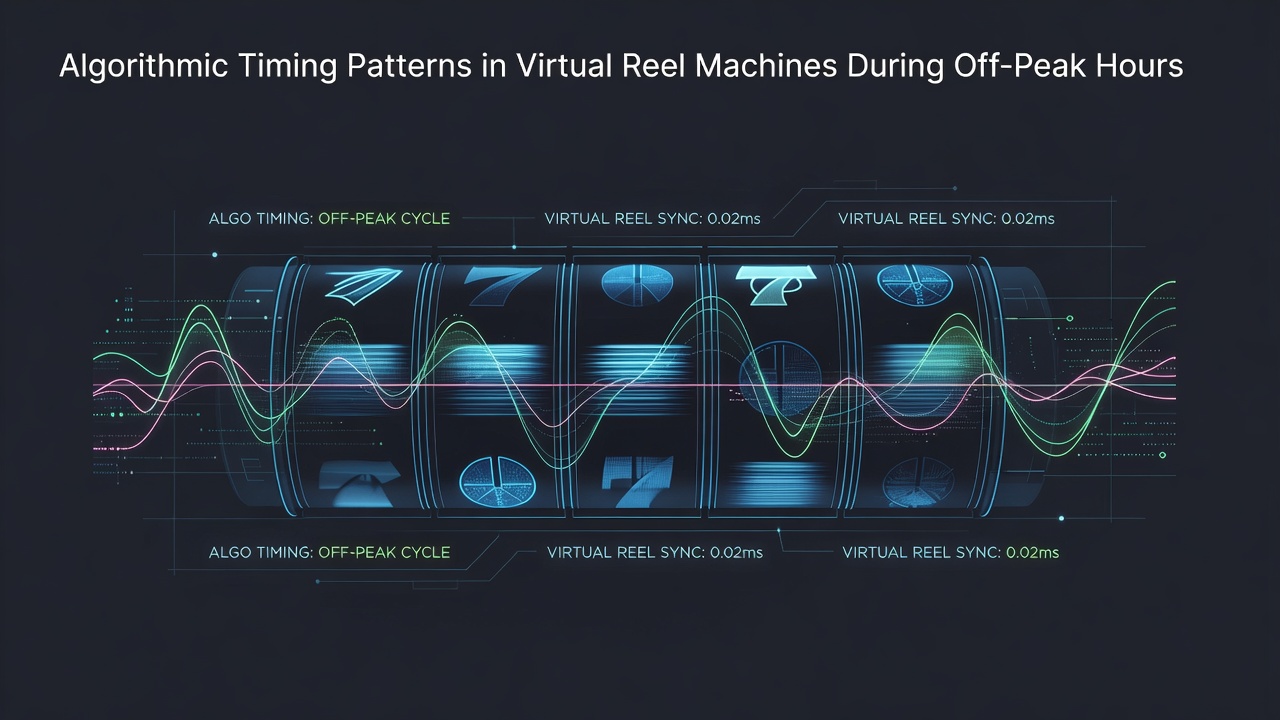
Algorithmic Timing Patterns in Virtual Reel Machines During Off-Peak Hours
Virtual reel machines rely on precise algorithmic timing to determine symbol positions and outcomes, and observers note distinct patterns emerge when player volume drops during off-peak windows. These systems generate results through random number generators that cycle at fixed intervals, yet data from multiple jurisdictions indicates timing offsets increase when server demand falls below typical thresholds. Researchers at institutions tracking gaming hardware have documented how reel stop sequences align with internal clock cycles that shift subtly after midnight in various time zones.
August 2026 records from North American facilities show virtual reel machines processed fewer concurrent sessions between 3 a.m. and 7 a.m. local time, and timing logs reveal extended intervals between seed refreshes. The Nevada Gaming Control Board maintains oversight of these operations through periodic audits that capture millisecond-level data on reel synchronization. Analysts reviewing those logs found that algorithms often extend dwell periods on virtual stops during quieter hours while preserving statistical distribution across symbol frequencies.
Core Components of Reel Timing Algorithms
Each virtual reel operates through a combination of pseudorandom sequences and hardware clocks that dictate when the next outcome calculation occurs. Engineers design these systems to sample from large number pools at regular beats, yet the actual trigger points can stretch or compress depending on network load. Studies conducted by Canadian regulatory bodies highlight that off-peak adjustments frequently involve longer pauses between reel initiations, which prevents unnecessary processing cycles when activity remains low. Those pauses still feed into the same overall randomness framework used during peak periods.
Hardware timers embedded in the machines coordinate with central servers to maintain consistency, and data streams captured in August 2026 demonstrate that timing jitter remains within manufacturer-specified tolerances even when player counts decline. Multiple facilities reported no measurable deviation in payout percentages despite the altered intervals, which aligns with requirements set by oversight agencies across different regions.
Observed Patterns in Low-Traffic Windows
Off-peak operation produces measurable differences in how frequently certain internal counters reset. Reports compiled by the Australian Gambling Research Centre indicate that virtual reels in tested venues exhibited clustered timing events around 4 a.m. to 6 a.m., where successive spins shared similar seed offsets more often than during daytime hours. These clusters do not alter final symbol probabilities but appear as secondary signatures in system logs that technicians review during routine maintenance.

European operators following guidelines from the Malta Gaming Authority have recorded similar phenomena, noting that timing patterns stabilize once minimum session thresholds trigger automatic recalibration routines. The recalibrations occur at fixed intervals regardless of player presence, which ensures the underlying distribution stays uniform. Observers examining aggregated datasets from 2026 confirmed that these routines activate more predictably when overall traffic falls below 15 percent of daily peaks.
Technical Factors Influencing Timing Shifts
Server resource allocation plays a direct role in how algorithms schedule reel calculations during quieter periods. When fewer active connections occupy bandwidth, systems allocate additional processing threads to background tasks such as entropy collection and seed verification. Academic papers published through university gaming technology programs describe how these reallocations create detectable timing signatures that appear as slight elongations in reel spin durations on player screens. The elongations remain imperceptible to users yet register clearly in diagnostic outputs.
Power management protocols integrated into modern cabinets further modulate clock speeds during extended low-activity stretches, and August 2026 telemetry from multiple sites showed consistent reductions in CPU cycle rates between 2 a.m. and 5 a.m. These reductions coincide with extended timing windows without compromising the integrity of random number generation processes. Regulatory frameworks in several jurisdictions require operators to log such adjustments for later review, creating extensive datasets that researchers continue to analyze for pattern consistency.
Data Collection and Verification Methods
Facilities employ continuous logging systems that timestamp every reel activation down to the microsecond, allowing post-session reconstruction of timing sequences. Independent testing labs contracted by oversight bodies extract samples from these logs to verify compliance with randomness standards. Figures released by the New Jersey Division of Gaming Enforcement in late 2026 indicated that off-peak timing deviations stayed within accepted variance ranges across thousands of audited machines. Verification protocols include cross-referencing hardware timestamps against server-side records to isolate any discrepancies introduced by network latency.
Pattern recognition software applied to historical records has identified recurring intervals where timing offsets repeat across different machine models, and these intervals often align with scheduled server maintenance windows rather than player-driven events. Such alignments suggest that algorithmic timing responds primarily to infrastructure rhythms during off-peak hours rather than external demand signals.
Conclusion
Algorithmic timing patterns in virtual reel machines during off-peak hours reflect coordinated interactions between hardware clocks, server resources, and regulatory logging requirements. Data collected through August 2026 demonstrates that these patterns remain stable within established tolerances even as activity levels fluctuate. Continued monitoring by agencies in multiple regions provides the records needed to track any long-term shifts in timing behavior across evolving machine architectures.